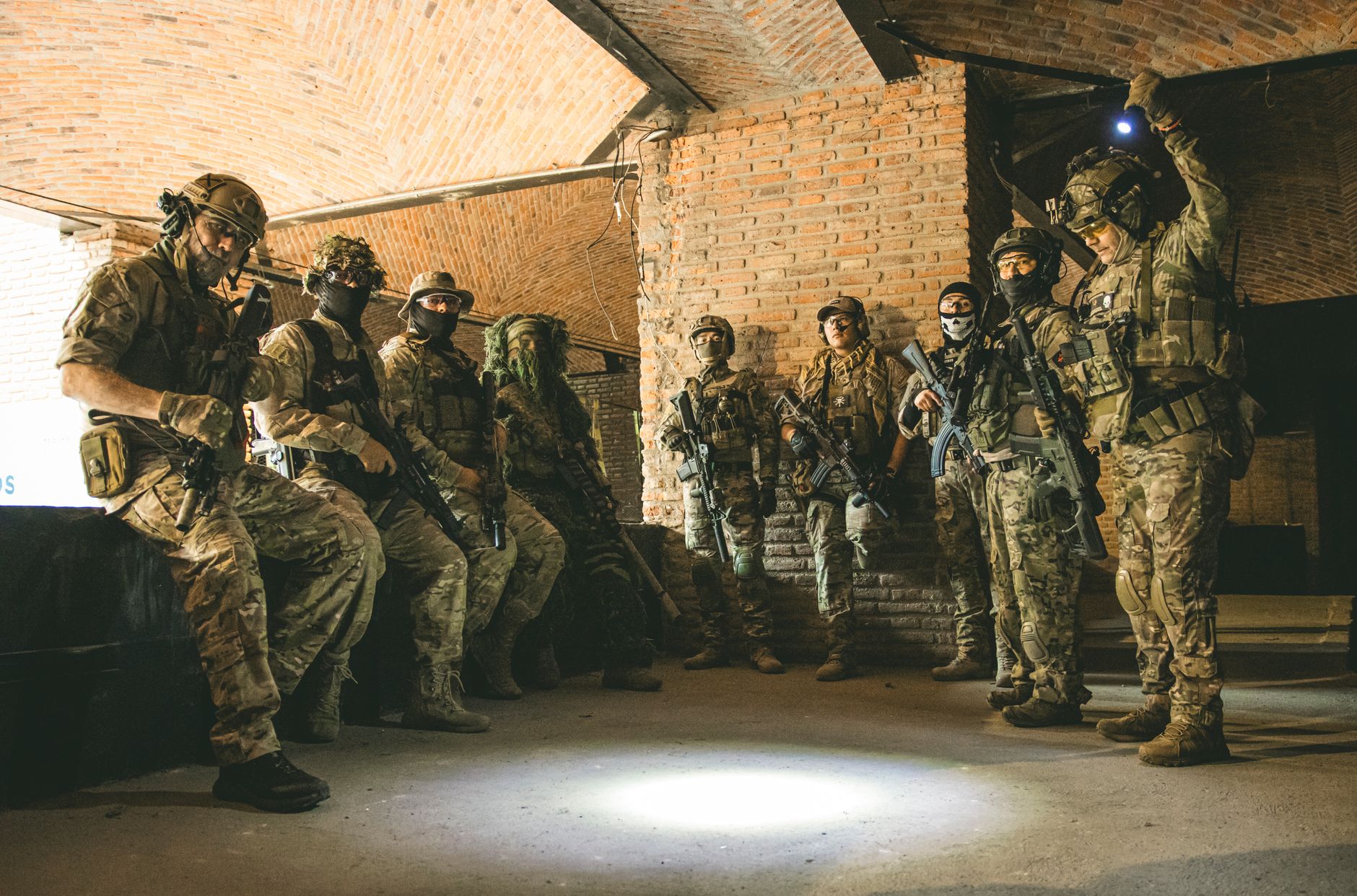
In short: modern combat is often won before a single shot lands, in the fight over the electromagnetic spectrum. Jamming, spoofing and signal hunting blind radars and cut the link between a weapon and its target. Whoever controls the spectrum controls the timing of the whole engagement.
People picture a battlefield as fire and steel. The quieter contest happens on frequencies nobody can watch. A radar that cannot see, or a data link that suddenly fills with noise, changes the outcome faster than heavier armor ever could.
קראו גם: Loitering munitions: the weapon that waits before it strikes · Precision-Guided Munitions: What “Smart” Weapons Actually Buy on the Battlefield · The missile does not care about the target. The launcher decides everything
What electronic warfare actually does
Electronic warfare splits into three practical jobs: listening, disrupting, and protecting your own signals. Listening means mapping enemy emitters, their radars, radios and drone links. Disrupting means jamming or feeding false data into those channels. Protection keeps your side transmitting while the other side goes deaf.
The clever part is deception. A jammer that only screams noise is easy to spot and shoot at. A spoofer that quietly injects a false position can send a GPS-guided weapon into an empty field while the crew still believes it hit the mark.
Why cheap jamming beats expensive hardware
A guided missile can cost more than a house. The transmitter that corrupts its navigation can cost less than a car. That imbalance is the whole point. Small units now carry backpack jammers that knock loitering drones out of the sky by severing the operator link, no interceptor needed.
The counter-move never stops
Every jammer invites an answer. Frequency hopping spreads a signal across many channels a thousand times a second, so noise on one frequency does little. Directional antennas listen in a narrow cone and ignore interference from the side. This is why air-defense radars keep changing waveforms mid-battle instead of trusting one fixed frequency.
The result is a constant trade. Better protection buys survival for a while. Then a new jamming trick arrives and the cycle restarts.
What crews watch for
- Sudden radar clutter with no matching weather or terrain
- GPS positions that drift or jump without movement
- Radio channels that degrade only during an approach
- Drone links that drop at a fixed distance every time
- Multiple sensors disagreeing about the same object
These signs rarely announce themselves. According to Electronic warfare doctrine, the side that notices interference first and switches tactics keeps the initiative. Train your operators to distrust a clean screen during contact. A quiet spectrum in the middle of a fight is often the loudest warning of all.
מאמרים נוספים שיעניינו אתכם
- Loitering munitions: the weapon that waits before it strikes
- Precision-Guided Munitions: What “Smart” Weapons Actually Buy on the Battlefield
- The missile does not care about the target. The launcher decides everything
- Why interception, not thicker armor, keeps armored vehicles alive
- Keep Your Car Battery Alive Longer: A Practical Maintenance Guide
- Protecting Armored Vehicles
Photo: Luis Felipe Pérez / Pexels